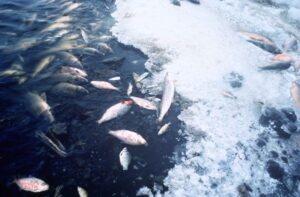
Water Pollution: Causes and Solutions
Water is essential for life, but rivers, lakes, and oceans are increasingly polluted. This threatens ecosystems, wildlife, and our drinking water.
What Is Water Pollution?
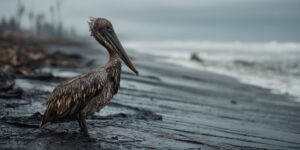
Water pollution happens when harmful substances enter water and disturb natural ecosystems. These pollutants can include chemicals, bacteria, excess nutrients, plastics, or temperature changes.
Main Causes
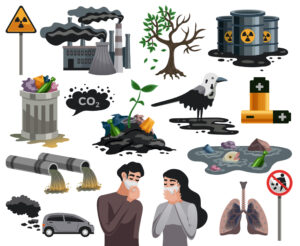
Chemical pollution
Chemicals from industry, agriculture, and households — such as pesticides, fertilizers, medicines, and heavy metals — can enter water and accumulate in animals and the food chain.
Nutrient pollution
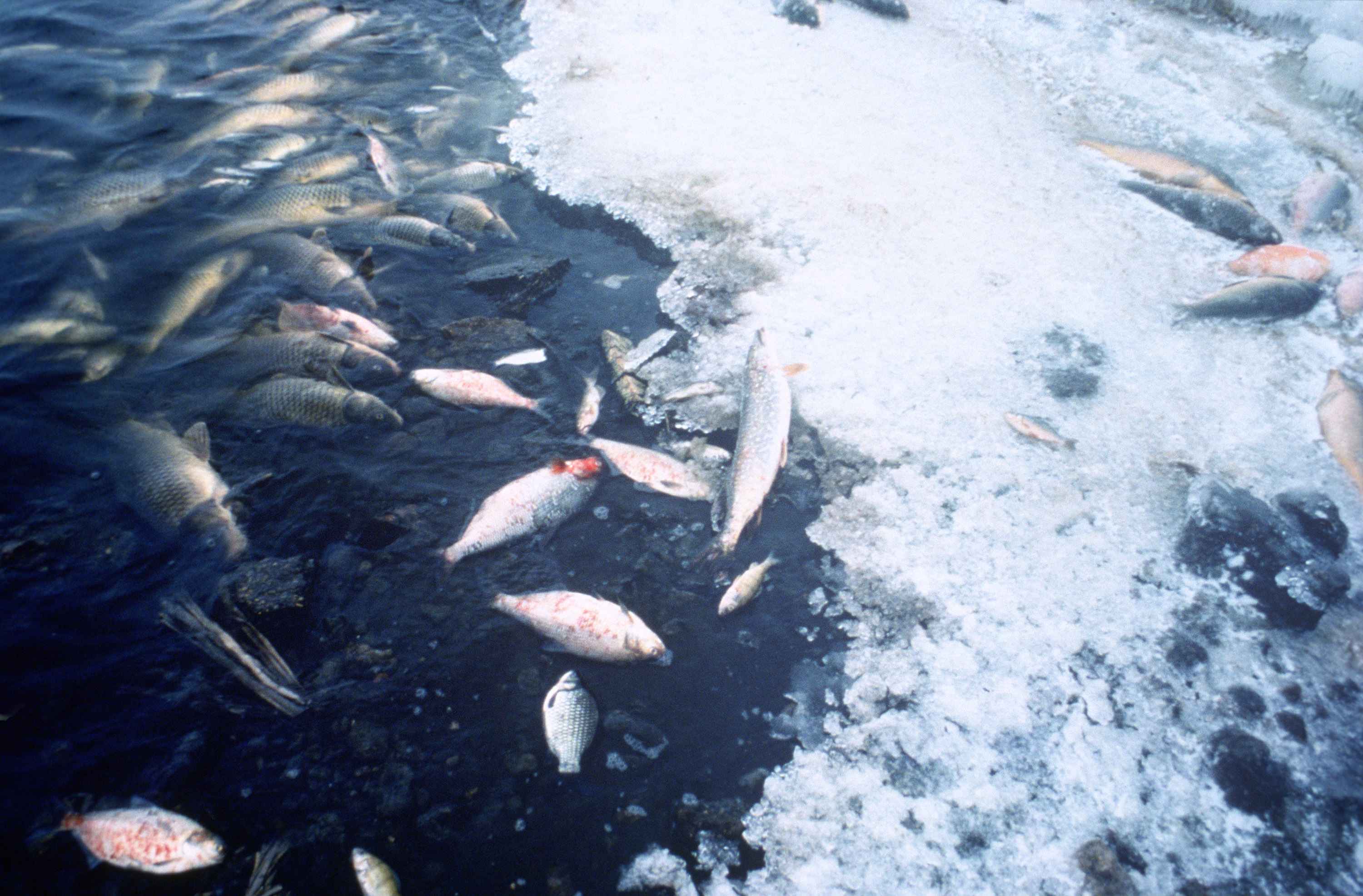
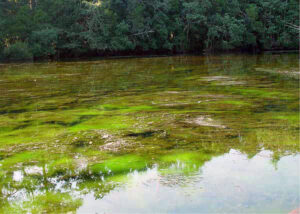
Too much nitrogen and phosphorus from farming and wastewater can cause large algae blooms. When algae die, they use up oxygen, creating “dead zones” where fish cannot survive.
Physical pollution
Plastic waste, sediment, and warmer water temperatures can damage habitats and reduce water quality.
Why It Matters
Water pollution harms biodiversity, disrupts ecosystems, and makes drinking water treatment more difficult and expensive. Preventing pollution is far more effective than cleaning it later.
What We Can Do
Solutions include stricter environmental rules, reduced pesticide use, better wastewater treatment, ecosystem restoration, and greater public awareness.
Protecting water today helps ensure clean and healthy ecosystems for future generations.